
Julien Guinet's recipes

How to Make Calcium Carbonate

Calcium carbonate rock

Why make calcium carbonate?

If you’ve read some of the recipes I share on this site, you’ve probably noticed that calcium carbonate is a commonly used ingredient. Although it’s easy to find in stores, I personally prefer to make my own ingredients whenever possible.

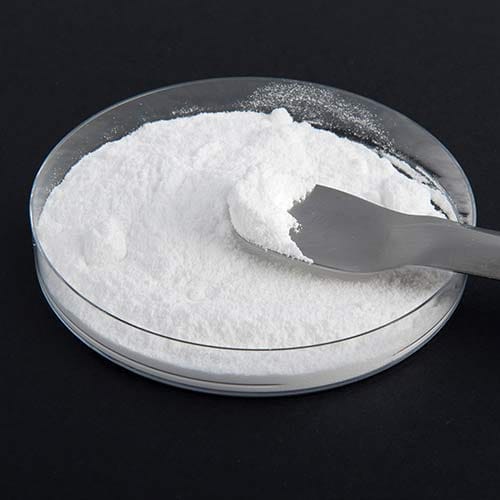
Calcium carbonate is a chemical compound with the formula CaCO₃. It’s extremely abundant in nature, found in rocks all over the world as well as in shells and the skeletons of organisms. Besides its use in paint recipes, it’s an essential ingredient in the production of glass, cement, and other materials.

In the case of paints, we can use it to make lake pigments or gouache, for example.

The Recipe

30 minutes

Easy

Low cost

Ingredients

  • Eggshells (they can be white or brown)
  • Distilled water
  • White vinegar

Utensils

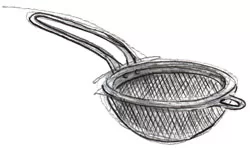
Sieve
1 fine-mesh strainer
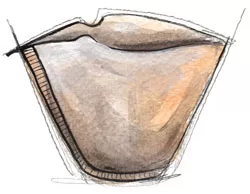
Coffee Filter
Coffee filters
Mixing bowl
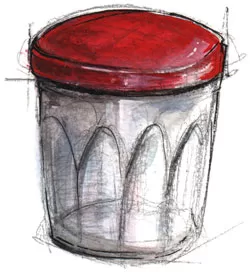
1 container

Bowl or similar

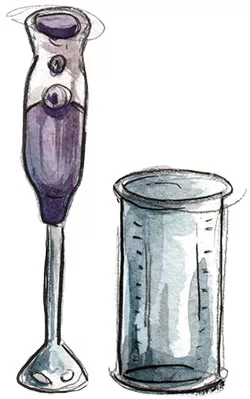
Blender
1 blender
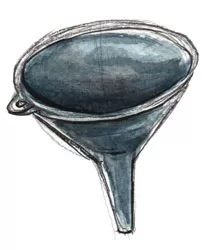
Funnel
1 funnel
Glass muller
1 glass muller 🛒

If you don't have one, you can use a palette knife.
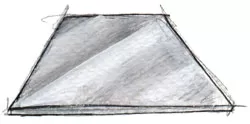
Glass plate
1 glass plate 🛒

Or a marble slab

Mortar
1 mortar and pestle

Note: The products marked with the “🛒” symbol are affiliate links. If you purchase through these links, I receive a small commission that helps support this blog, at no extra cost to you.

Important

If calcium carbonate is used to make lake pigments, it is important to consider that the color of the eggshells used can slightly influence the final shade of the pigments obtained.Eggshells are 94% calcium carbonate, so you can use them in the same proportions in the recipes I give you.

Preparation

Step 1
  • Wash the eggshells thoroughly.
Article-img_3--1.jpg
Step 2
  • Soak them in a container filled with equal parts water and white vinegar. This helps separate the inner membrane from the shell, which takes about 20 minutes.
Article-img_3--1.jpg
Step 3
  • Remove the membranes and rinse the shells to eliminate any vinegar residue.
Article-img_3--1.jpg
Step 4
  • Place the shells in the blender and add 5 tablespoons of distilled water per whole shell.
Article-img_3--1.jpg
Step 5
  • Blend the mixture for about 5 minutes on medium speed. It should reach a yogurt-like consistency. Add more distilled water if needed.
Article-img_3--1.jpg
Step 6
  • Use a glass muller and a glass plate to eliminate any sandy texture and improve the final result.
Article-img_3--1.jpg
Step 7
  • Filter the mixture and let it dry on coffee filters.
Article-img_3--1.jpg
Step 8
  • Once the paste is completely dry, grind it with the mortar and pestle until you obtain a fine powder.
Article-img_3--1.jpg
Step 9
  • Store the powder in a jar in a cool, dry place.
Article-img_3--1.jpg

You might be interested in these recipes:

Comments

2 Responses

  1. I love this recipe so much! Now I can make chalks with this and eat them as much as I please! Love yaaa mwah!

    1. Aww I’m so glad you love it! 😄 Enjoy your chalks! Love you too, mwah!

Leave a Reply

Your email address will not be published. Required fields are marked *

Newsletter

No unnecessary fluff here: I only send a newsletter when I truly have something to announce (workshops, classes, new recipes, etc.). On average, that’s about 1 newsletter every 2 months.

List of all recipes