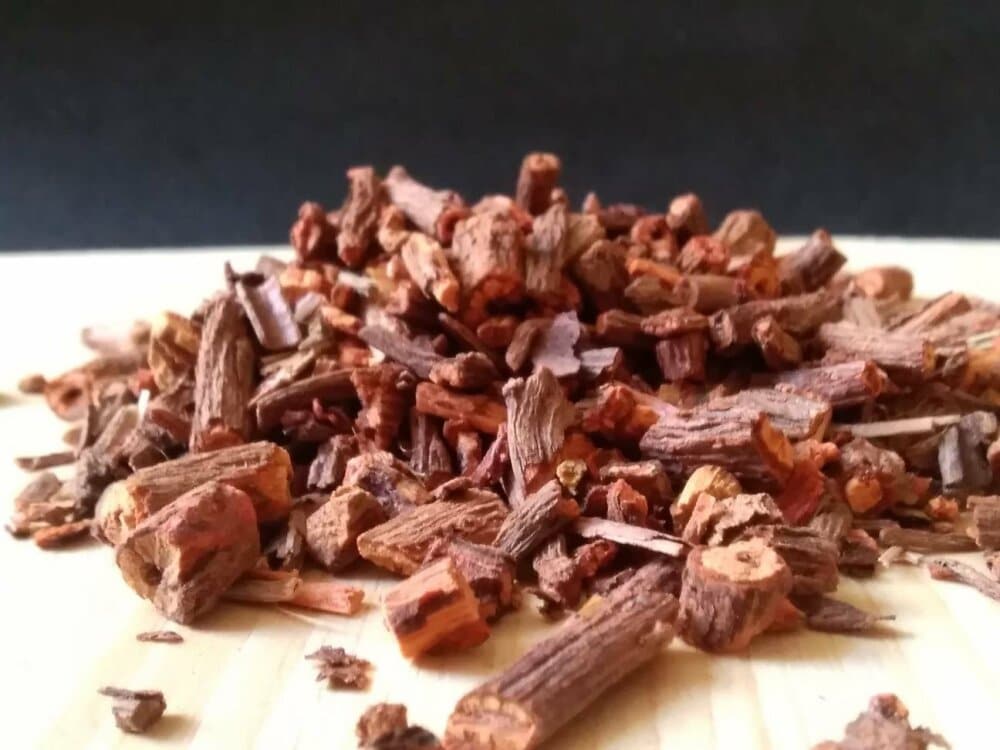
recettes-julien-guinet

How to Make Wood Ash Lye

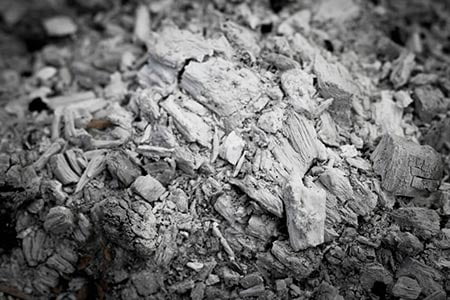
ashes

What is wood ash lye used for?

Over the past few years, many recipes explaining how to make wood ash lye have appeared, encouraged by a growing awareness of the harmful effects of some common household products, such as industrial laundry detergent. Not only is it eco-friendly, but it is also remarkably effective for cleaning clothes. Its use goes back centuries. The potash it contains is what makes it such an efficient detergent. However, its usefulness goes beyond washing laundry; it can also be used to extract pigments from plants.

Why wood ash lye is useful in natural pigment making

In addition to potash, whose main role was mentioned earlier, wood ash lye is useful for pigment production thanks to its alkalinity. This is what causes the alum to precipitate onto the dye, forming a lake. Lye can thus replace other substances commonly used for this step, such as sodium carbonate or calcium carbonate. Its exact composition varies depending on the type of wood burned and what was added to the fire.
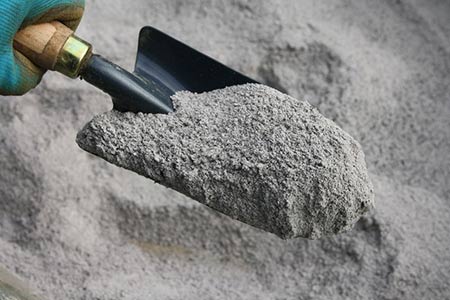

Making wood ash lye

The Recipe

24 hours

Easy

Budget-friendly

Ingredients

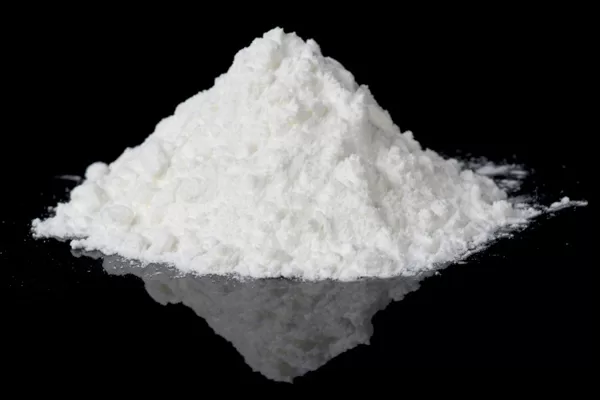
  • 150 g wood ash (for this recipe, it must be finely sifted; if yours isn’t, plan for a bit more)
  • 1 L water (rainwater works even better!)

Utensils

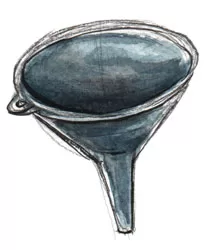
Entonnoir
1 funnel
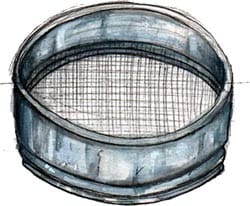
Tamis
1 sieve
Grande passoire
1 strainer
saladier
2 containers

Minimum 2 liters

Spatule en Bois
1 wooden spatula
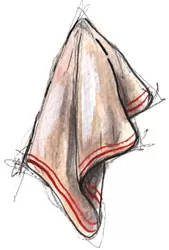
Torchon
1 clean cloth
Film Alimentaire
Plastic wrap
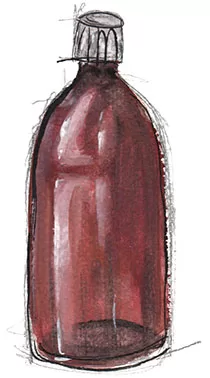
Bouteille
1L bottle
Home drawing 21

Julien's Tips

Oak wood ash gives excellent results for extracting pigments, but most ashes will do. Just add a little more lye when you mix it into your preparation.

Preparation

Step 1
  • If your wood ash is not yet sifted, pass it through the sieve and set aside 150 g.

This step is essential because the ash must not contain large pieces of charcoal, nails, or anything other than ash itself.

Article-img_3--1.jpg
Step 2
  • Pour the ash into one of the containers and add 1 L of water.
  • Stir well.
Article-img_3--1.jpg
Step 3
  • Let the mixture sit for about 24 hours, stirring it 4 to 5 times during this period using a wooden spatula (do not use metal!).
Article-img_3--1.jpg
Step 4
  • Place a clean cloth inside the strainer and set it over the clean container.
Article-img_3--1.jpg
Step 5
  • Carefully pour the contents of the first container through the cloth placed in the strainer, filtering the mixture as you go.

You’ll notice the liquid has a slightly yellowish, soapy appearance.

Article-img_3--1.jpg
Step 6
  • Use the funnel to transfer the filtered liquid into a glass bottle (a tinted bottle is recommended).

Your wood ash lye is ready to use!
Article-img_3--1.jpg

Newsletter

No unnecessary fluff here: I only send a newsletter when I truly have something to announce (workshops, classes, new recipes, etc.). On average, that’s about 1 newsletter every 2 months.

List of all recipes