
recettes-julien-guinet

How to Make Soft Pastels

Make your own soft pastels

What is a soft pastel?

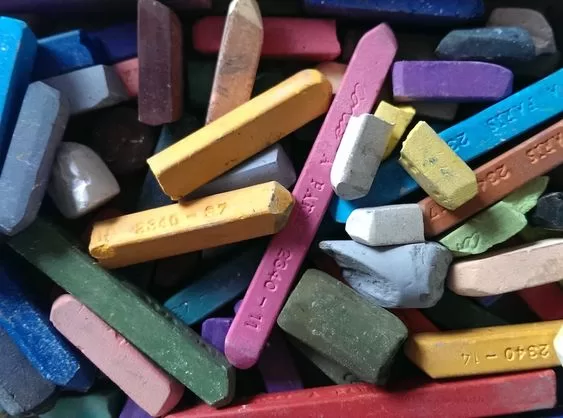
A soft pastel is a colored stick used for drawing and painting. Its composition is very simple: a blend of pigments, a filler, and a binder.

There are two main categories: soft pastels (either soft or hard) and oil pastels (oil or wax based).

A brief history of pastel

Pastel appears to have been invented in France and Italy at the end of the 15th century. Leonardo da Vinci used it in his work.

It became highly popular in the 17th century, used by many artists such as Charles Le Brun, Robert Nanteuil, and Joseph Vivien. But the 18th century was its true golden age. It reached great prestige thanks to artists like Maurice Quentin de La Tour, known as the prince of pastellists. After the French Revolution, its popularity gradually declined.

It never disappeared completely thanks to artists such as Edgar Degas and Toulouse-Lautrec, who continued to use it extensively.


Make your own soft pastels

The Recipe

12:30 AM

easy

Low cost

Ingredients

Utensils

For the mold

Article-img_3--1.jpg
Parchment paper
Article-img_3--1.jpg
Tape
Article-img_3--1.jpg
1 thick marker

For the recipe

GlassMuller
1 glass muller 🛒

If you don't have one, you can use a spatula.

glass plate
1 glass plate 🛒

Or a marble plaque

Note: The products marked with the “🛒” symbol are affiliate links. If you purchase through these links, I receive a small commission that helps support this blog, at no extra cost to you.

Julien's Tips

You can use silicone kitchen molds to give your soft pastels original shapes.

Preparation

Part 1 – Making the binder

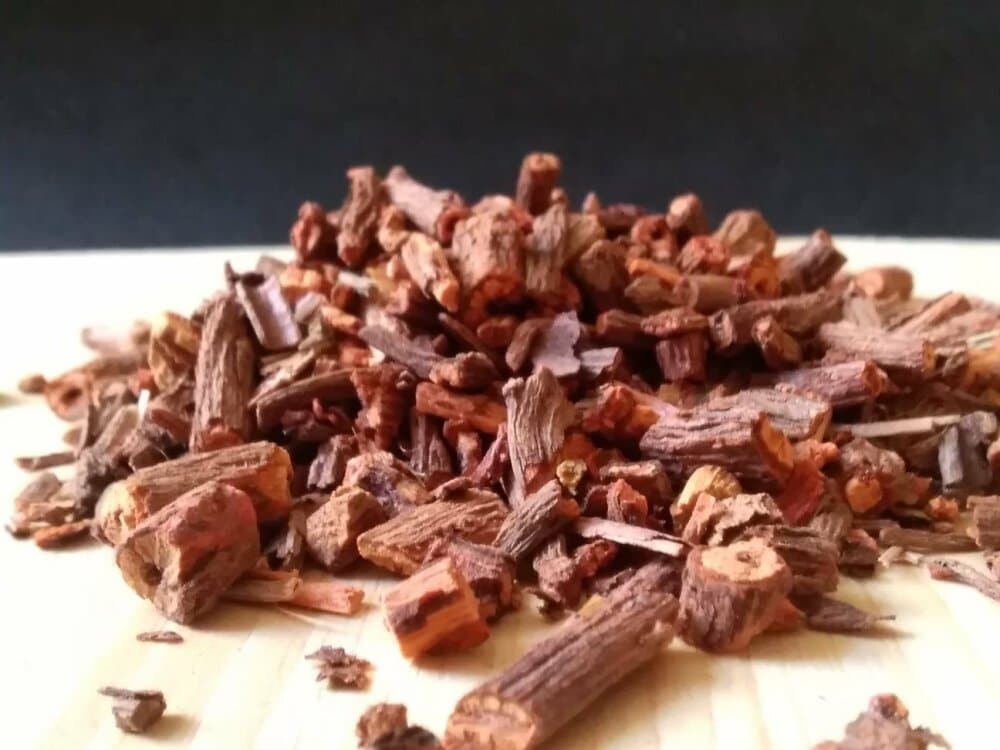
Just like paints, soft pastels are mainly made of a mixture of pigments and a binder, which in this case is gum arabic. This gum can be bought ready-to-use in liquid form in fine arts stores, or in grains, in which case it must be prepared before use.

If you have liquid gum arabic, you can skip this step, as your binder is already ready.

On the other hand, if you have gum arabic in grain (crystal) form, you need to prepare your gum water.

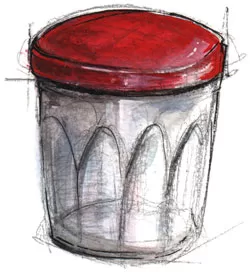
  • To do this, pour 1 part gum arabic and 2 parts distilled water into a jar. You can then wait 24 hours for the gum to dissolve, or heat it in a double boiler to speed up the process.
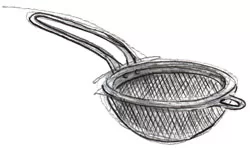
  • Then transfer the gum water into a new jar while passing it through a sieve to filter it and thus remove impurities.

Part 2 – Making a mold

Pastels are generally presented in a cylindrical shape, but you are free to give them any appearance you like. For example, silicone cake molds allow you to create original shapes. The main thing is to make sure they come out of the mold easily.

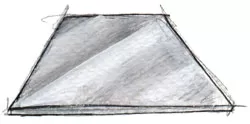
If you want to make the “classic” cylindrical shape, get some tape, parchment paper, and a fairly thick felt-tip pen. The size of the pen will determine the thickness of your future pastels.

  • Wrap the parchment paper around the marker 2 to 3 times, then tape it along the full length.
  • Make sure the end of the pen coincides with the end of the paper and, if necessary, cut the paper to fit.
  • Fix some tape to the bottom of the paper cylinder while leaving the pen inside to prevent the cylinder from deforming. Use enough tape to prevent any liquid from escaping.
  • Remove the marker.
  • Your cylindrical mold is ready!

Part 3 – Making the soft pastels

Step 1
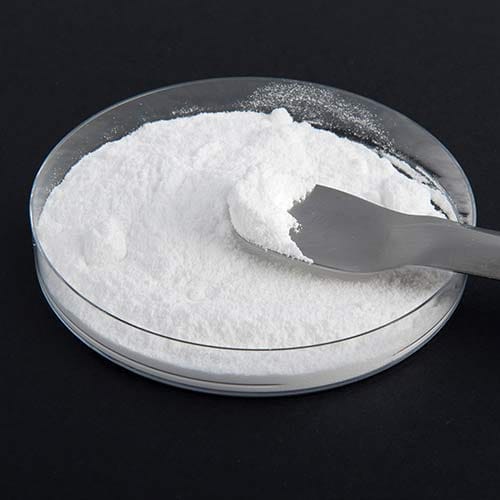
  • Place the pigment and kaolin on the glass slab and mix with the spatula until the color is even.
Article-img_3--1.jpg
Step 2
  • Pour the equivalent of 1/4 glass of distilled water and grind with the muller until you get a smooth paste.
Article-img_3--1.jpg
Step 3
  • Add 2 drops of glycerin and a small teaspoon of gum arabic (≈ 3 g). Use the muller again to thoroughly disperse the pigments in the binder.
Article-img_3--1.jpg
Step 4
  • Scoop the paste into your mold, using the spatula if needed.
Article-img_3--1.jpg
Step 5
  • Let dry for at least a week in dry summer weather.
Article-img_3--1.jpg

Newsletter

No unnecessary fluff here: I only send a newsletter when I truly have something to announce (workshops, classes, new recipes, etc.). On average, that’s about 1 newsletter every 2 months.

List of all recipes

Newsletter

No unnecessary fluff here: I only send a newsletter when I truly have something to announce (workshops, classes, new recipes, etc.). On average, that’s about 1 newsletter every 2 months.

List of all recipes