



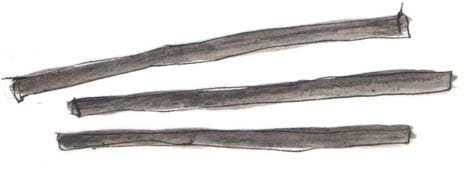
Drawing charcoal is made from a tree branch (usually willow or European spindle) carbonized in a sealed container.
The use of drawing charcoal dates back to prehistoric times, when it was used to outline shapes.
Artists such as Leonardo da Vinci, Delacroix, Degas, Goya, and Seurat (among the most famous) used it for their studies. However, it was Auguste Allongé, a 19th-century master of drawing charcoal, who elevated this art form by publishing a treatise on the subject in 1873, which was translated into several languages.
Making drawing charcoal is extremely simple. The most challenging part is choosing the right branch. Almost any wood can be used, but some, like spindle, willow, ash, or poplar, yield the highest-quality drawing charcoal.
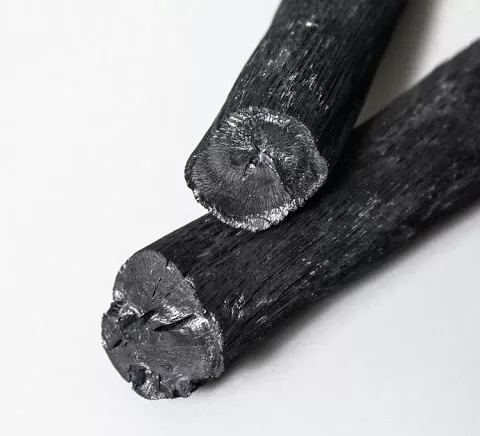

Also called European spindle or common spindle. It is a very common shrub in France.
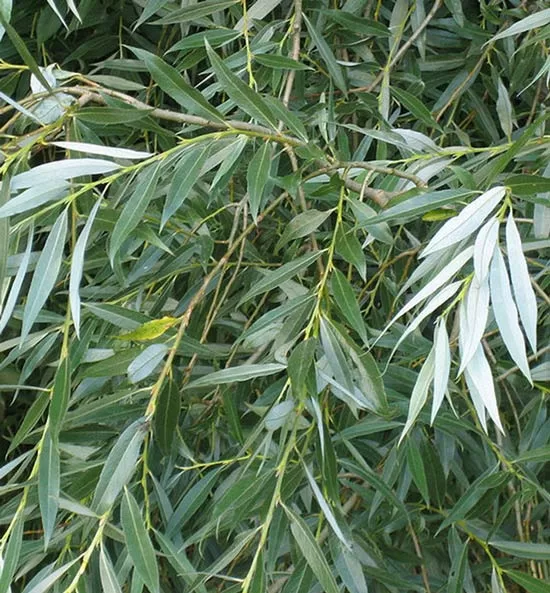
A widely spread tree in Europe, with over 360 different species.
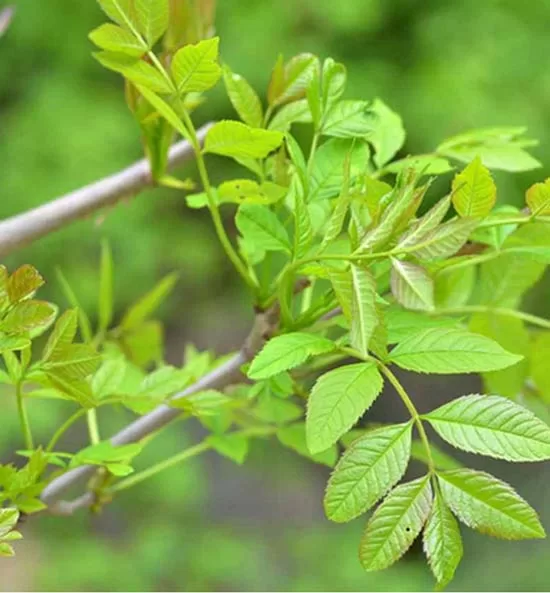
Recognizable by its large black buds. Around 60 species grow across Europe.
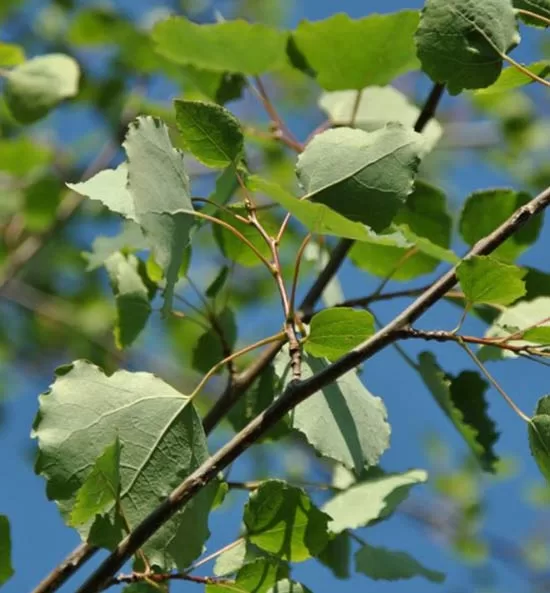
There are 35 poplar species, found in temperate and cold regions of the Northern Hemisphere.

Depending on the diameter of the charcoal stick and the heat intensity.
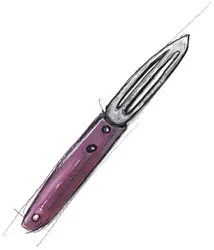
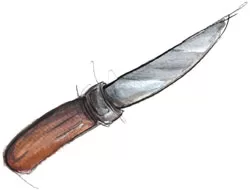
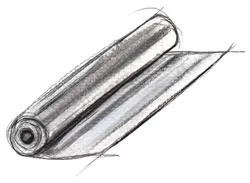
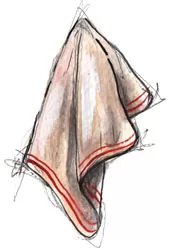
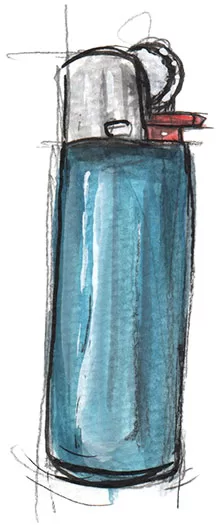
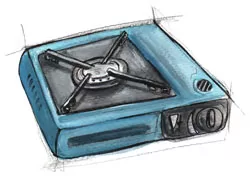
Or any hot plate
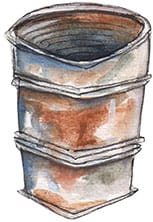
No plastic coating inside
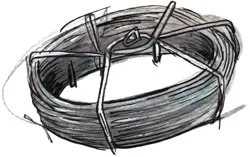
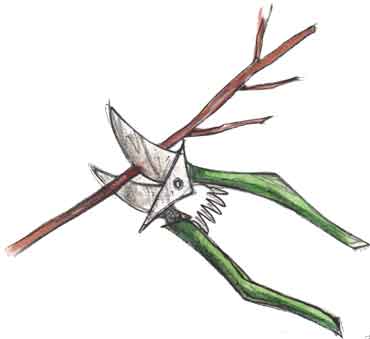
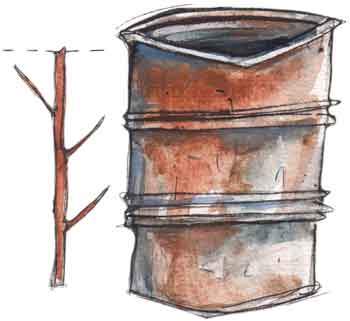
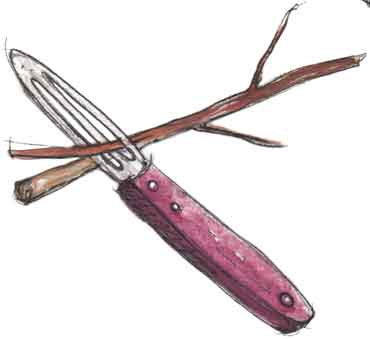
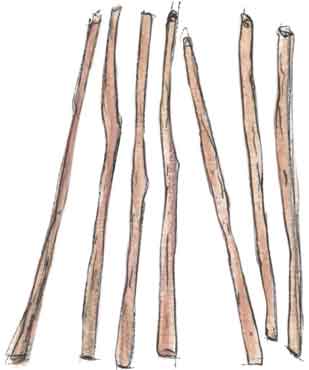
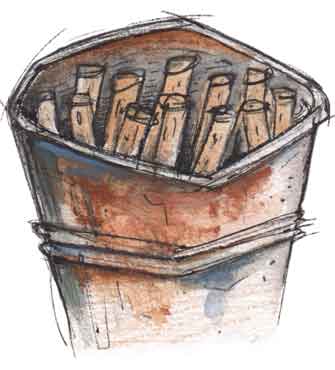
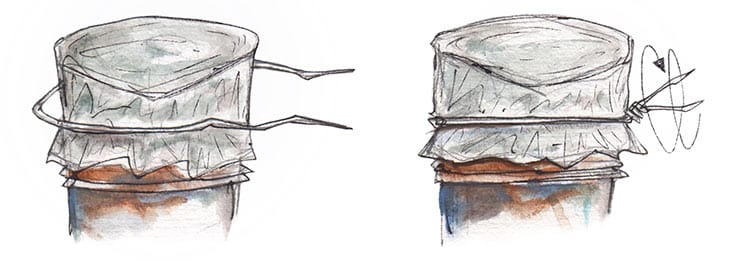
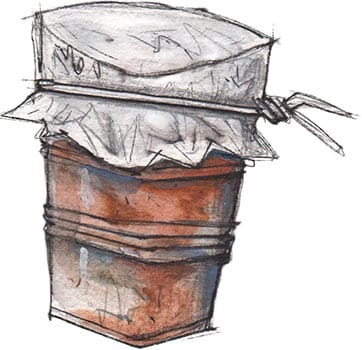
Ensure the aluminum foil does not touch the flame.
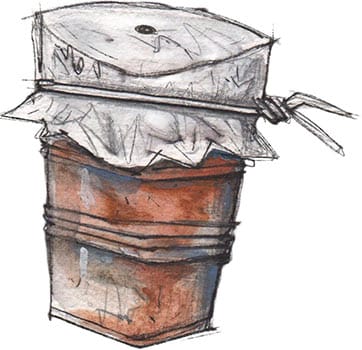

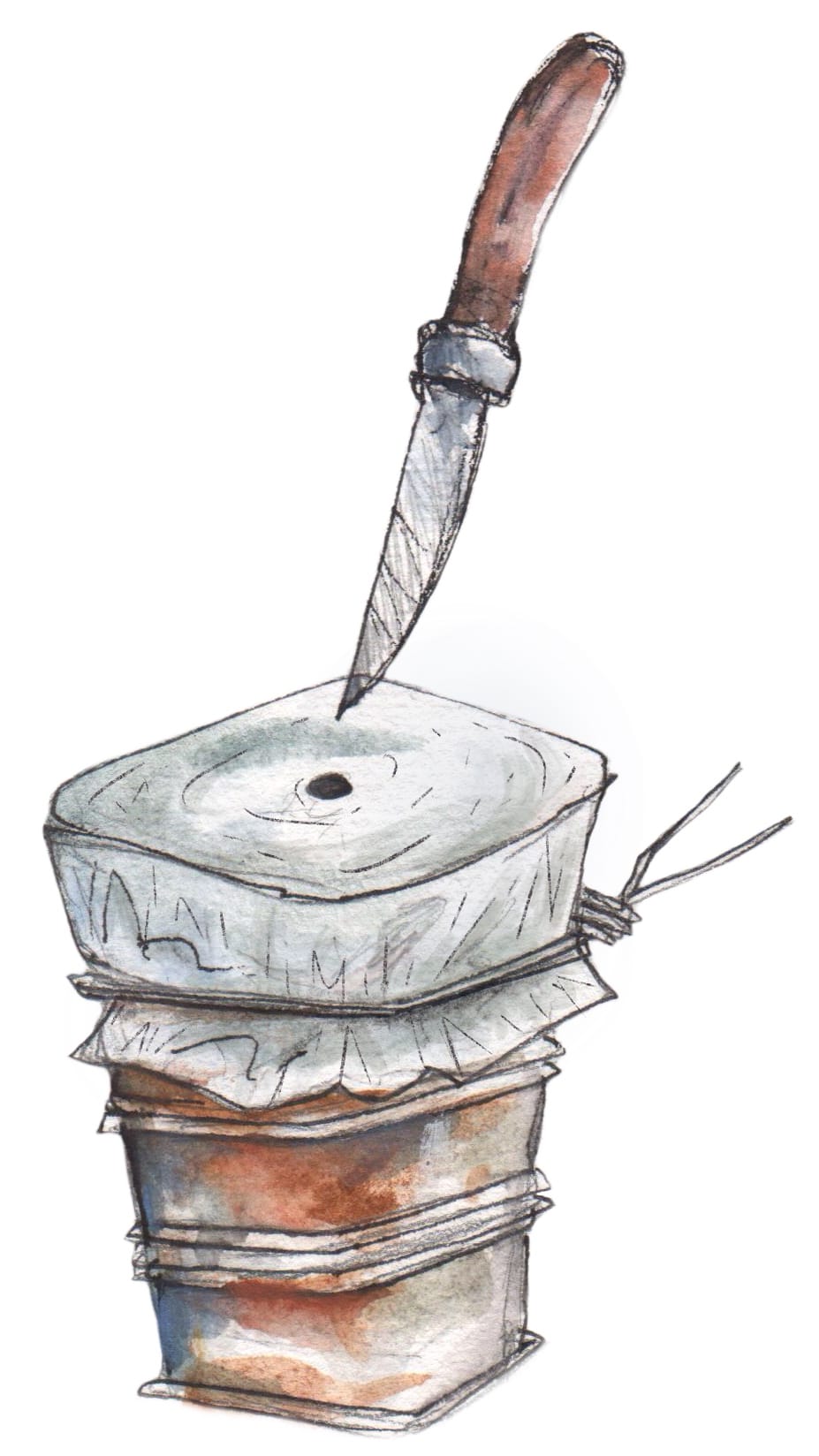
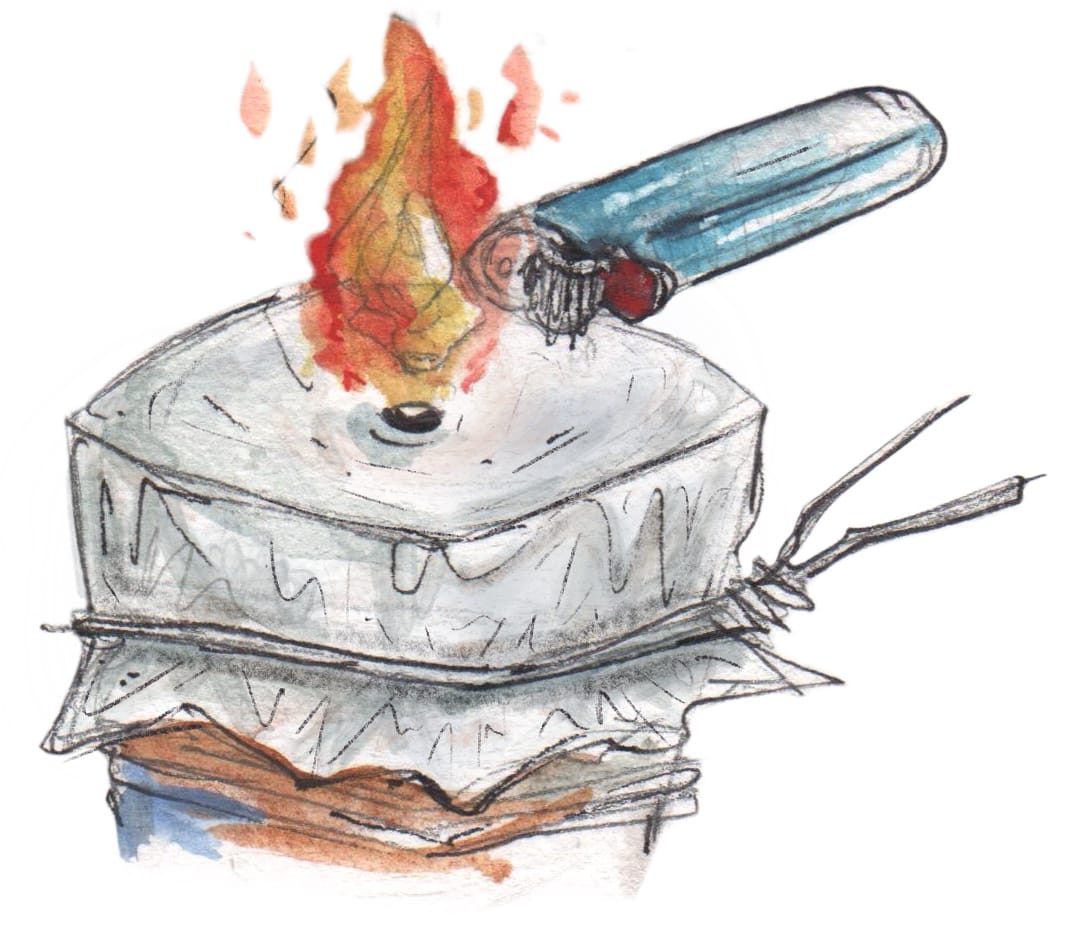
To check if the drawing charcoal is ready, hold a lighter above the hole. If the flame continues to burn, gases are still escaping: it’s too early. If the flame dies immediately, carbonization is complete: your drawing charcoal is ready.
You can also wait for white smoke to appear from the hole, which can indicate readiness. However, this is less reliable because white smoke can appear at the start when moisture or resin (depending on the wood) is released.
You can use it immediately!