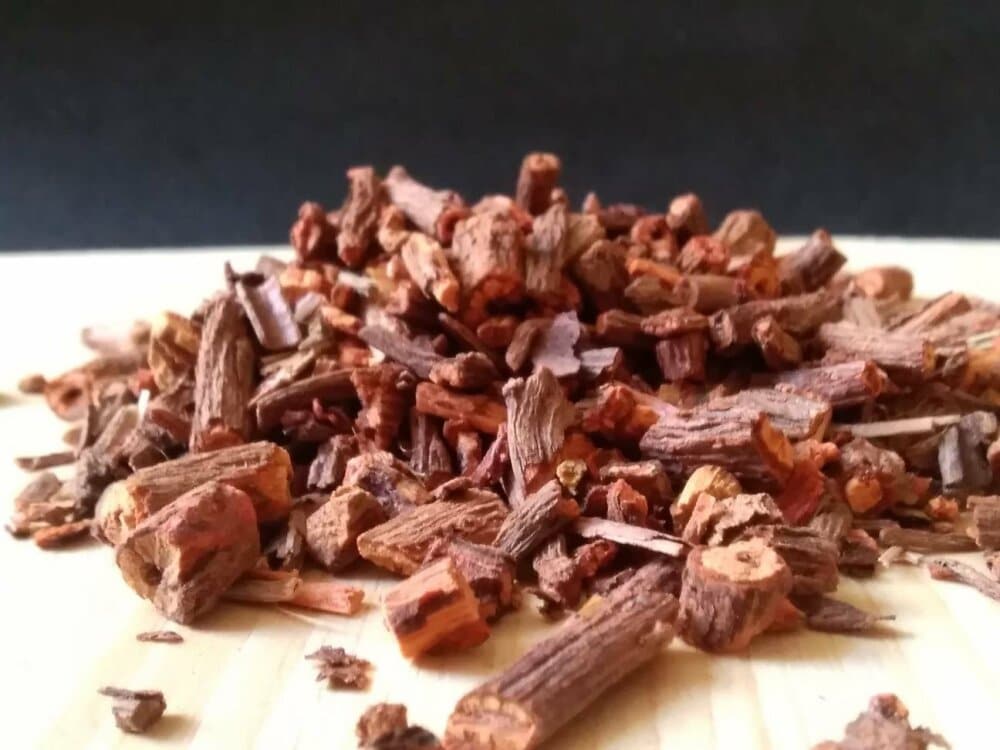


Here, we won’t be talking about walnut stain or iron gall ink, which I’ve already written articles about. We’re going to look at a method for getting colored inks from different plants: brazilwood, logwood, buckthorn, sunflower…
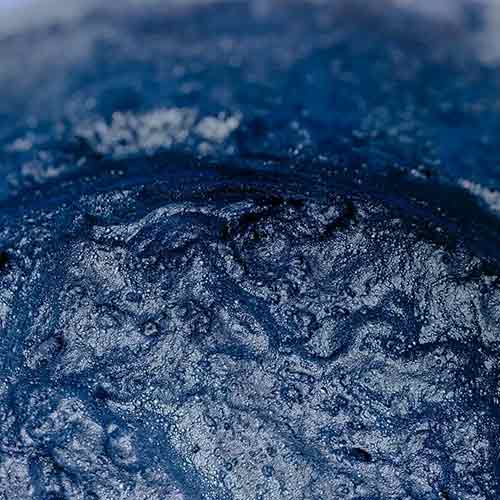
Like lake pigments, they come from plant dyes. But while a lake precipitates the dye onto an inert mineral base to make a powder you grind, ink keeps it in solution: it’s soluble and transparent. In fact, the same brazilwood decoction can produce either one, depending on whether you precipitate it or not.

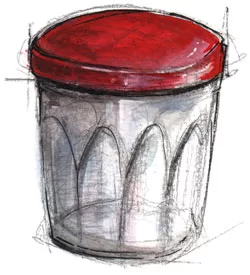
Jam jar type
Note: the products above marked with the symbol “  ” link to affiliate links. If you buy through these links, I receive a small commission that helps me maintain this blog, at no extra cost to you.
Since this is a general recipe, I can’t give exact quantities: the dye content varies a lot depending on the plant (dye woods are very concentrated, flowers much less), whether it’s fresh or dried, and how mature it is. Experiment: start with a small amount of plant material, test on your paper, then reduce to deepen the color or add water to lighten it. Write down your proportions so you can remake an ink you like.
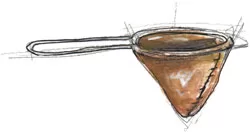
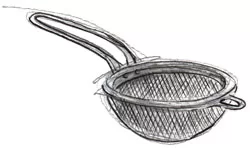
Pour into the jar, filtering the liquid through a cloth filter or a simple clean cloth.
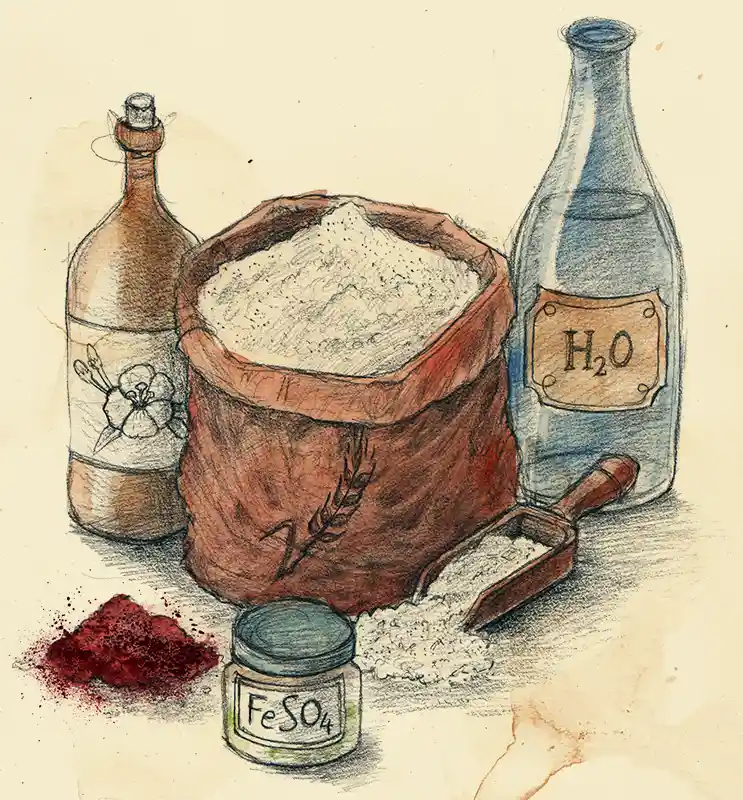
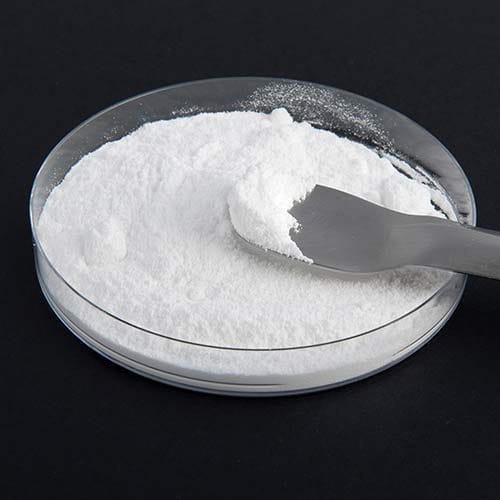
Weigh the liquid and add 5% alum while the solution is still hot, so it dissolves properly.
Alum fixes and brightens the color.
If your solution is cold, the alum will have trouble dissolving—so warm it in a bain-marie.
Add the gum arabic, then stir.
It binds the ink to the paper and gives it body.
Test on your paper, adjust if needed, then pour the ink into a tightly closed bottle, with a clove to limit mold. Store it in a cool place.